
Practical Decision-Making Tips for Faster, Smarter Care
When symptoms strike suddenly, one of the most common questions patients ask is:
“Should I go to urgent care or the emergency room?”
Choosing the right level of care doesn’t just save time—it can also reduce costs, shorten wait times, and ensure you get appropriate treatment quickly. While emergency rooms are critical for life-threatening conditions, many common illnesses and injuries are best treated at urgent care.
At Preferred Urgent Care, we help patients make informed decisions every day. This guide breaks down when urgent care is the right choice—and when the ER is necessary.
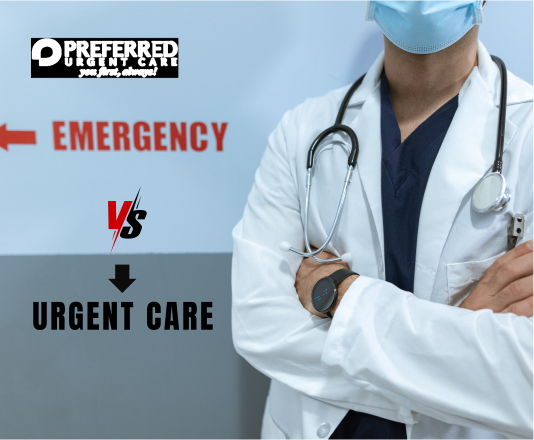
Urgent Care vs. Emergency Room: What’s the Difference?
Urgent Care is designed for non-life-threatening conditions that still need prompt medical attention.
Emergency Rooms are equipped for severe, life-threatening emergencies requiring advanced imaging, surgery, or hospital admission.
If your condition feels urgent but not critical, urgent care is often the smarter first step.
Conditions That Should Go to Urgent Care
1. Cold, Flu, COVID-19 & RSV Symptoms
If you’re experiencing:
- Fever
- Cough
- Sore throat
- Body aches
- Congestion
- Mild shortness of breath
Urgent care can evaluate symptoms, provide rapid testing, prescribe medications, and guide recovery—without the long ER wait. Preferred Urgent Care offers comprehensive evaluations through our urgent care services.
2. Minor Injuries & Sports-Related Issues
Urgent care is ideal for:
- Sprains and strains
- Minor fractures
- Muscle injuries
- Sports injuries
- Joint pain or swelling
With on-site imaging and treatment, urgent care helps you recover faster while avoiding unnecessary ER costs.
3. Cuts, Minor Burns & Wound Care
Seek urgent care for:
- Cuts that may need stitches
- Minor to moderate burns
- Wound infections
- Animal or insect bites (non-severe)
Prompt treatment reduces infection risk and promotes proper healing—no ER visit required.
4. Ear, Eye & Sinus Infections
Common but uncomfortable conditions such as:
- Ear pain or infections
- Pink eye (conjunctivitis)
- Sinus pressure and facial pain
These are frequently treated at urgent care with same-day relief and prescriptions when needed.
5. Gastrointestinal Issues
Urgent care can help manage:
- Nausea and vomiting
- Diarrhea
- Mild to moderate dehydration
- Stomach pain (non-severe)
IV fluids and symptom management are often available, helping you feel better quickly.
6. Allergic Reactions (Mild to Moderate)
Urgent care is appropriate for:
- Skin rashes
- Hives
- Mild swelling
- Seasonal allergy flare-ups
Go to the ER immediately if there’s difficulty breathing, throat swelling, or loss of consciousness.
7. Pediatric Illnesses (Non-Emergencies)
Urgent care is well-suited for children with:
- Fever
- Ear infections
- Coughs and colds
- RSV symptoms (mild to moderate)
- Minor injuries
Preferred Urgent Care provides compassionate pediatric care without the stress of an ER visit.
When You Should Go to the Emergency Room Instead
Always choose the ER for:
- Chest pain or pressure
- Sudden weakness, confusion, or slurred speech
- Severe shortness of breath
- Uncontrolled bleeding
- Head injuries with loss of consciousness
- Seizures
- Major trauma or accidents
If a condition is life-threatening, call 911 or go to the nearest emergency room immediately.
Not Sure Where to Go? Telemedicine Can Help
If you’re unsure whether your symptoms require urgent care or emergency care, virtual visits can help guide your decision. Through Preferred Urgent Care’s telemedicine services, you can speak with a provider from home and get clear next steps—often within minutes.
The Bottom Line
Knowing where to seek care empowers you to act quickly, safely, and confidently. Urgent care is the right choice for many everyday medical concerns—offering fast, affordable, and high-quality care without the stress of the ER.
📍 Walk into Preferred Urgent Care today or connect with us virtually—because the right care at the right time makes all the difference. Online Check-In