
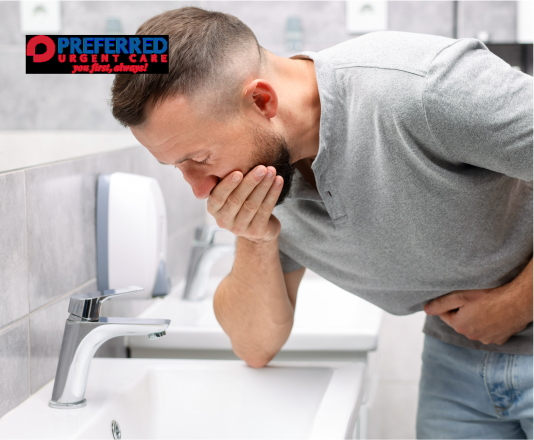
Norovirus vs. Food Poisoning: How to Tell the Difference
Few illnesses can disrupt your day as quickly as sudden nausea, vomiting, or diarrhea. One moment you’re feeling fine, and the next you’re searching for the nearest restroom.
When these symptoms appear, many people assume they’ve eaten something bad. While food poisoning is certainly one possibility, another common culprit is norovirus—one of the most contagious stomach viruses in the world.
Although these illnesses share many of the same symptoms, they have different causes, spread differently, and may require different approaches to treatment and prevention.
At Preferred Urgent Care, our providers evaluate gastrointestinal illnesses year-round, helping patients recover safely while identifying when symptoms may require additional medical attention.
What Is Norovirus?
Norovirus is a highly contagious virus that causes inflammation of the stomach and intestines, often referred to as viral gastroenteritis or the “stomach flu.” Despite its nickname, norovirus is not related to influenza, which primarily affects the respiratory system.
The virus spreads rapidly in places where people gather closely, including:
- Schools
- Daycare centers
- Nursing homes
- Cruise ships
- Restaurants
- Workplaces
- Family gatherings
Just a small amount of the virus can infect another person, making outbreaks especially common during the winter months.
What Is Food Poisoning?
Food poisoning occurs after consuming food or beverages contaminated with harmful bacteria, viruses, parasites, or toxins.
Common causes include:
- Undercooked poultry or meat
- Raw seafood
- Unpasteurized dairy products
- Contaminated fruits and vegetables
- Improperly stored leftovers
- Cross-contaminated foods during preparation
Unlike norovirus, food poisoning isn’t always contagious. The illness depends largely on what caused the contamination.
Norovirus vs. Food Poisoning: What’s the Difference?
Although the symptoms can look nearly identical, there are several important differences.
| Norovirus | Food Poisoning |
| Caused by a virus | Caused by bacteria, viruses, parasites, or toxins |
| Spreads easily from person to person | Usually spread through contaminated food or drinks |
| Often linked to outbreaks | Usually affects those who consumed the contaminated food |
| Symptoms typically begin 12–48 hours after exposure | Symptoms may begin within hours or several days, depending on the cause |
| Usually lasts 1–3 days | Duration varies depending on the cause |
Because these illnesses overlap so closely, it’s often difficult to determine the exact cause without considering your recent meals, exposures, and symptoms.
Common Symptoms
Whether caused by norovirus or food poisoning, symptoms often include:
- Sudden nausea
- Vomiting
- Diarrhea
- Stomach cramps
- Low-grade fever
- Chills
- Muscle aches
- Headache
- Fatigue
One of the biggest concerns with both illnesses is dehydration, particularly in young children, older adults, and individuals with weakened immune systems.
Signs of dehydration include:
- Dry mouth
- Increased thirst
- Dizziness
- Dark-colored urine
- Infrequent urination
- Weakness
- Confusion in older adults
Who Is Most at Risk?
Although anyone can become ill, certain groups are more likely to experience complications:
- Infants and young children
- Adults over 65
- Pregnant women
- Individuals with weakened immune systems
- People with chronic medical conditions
These individuals may become dehydrated much more quickly and should seek medical attention sooner if symptoms become severe.
How Are These Illnesses Diagnosed?
Many mild stomach illnesses improve without extensive testing. However, when symptoms are severe, persistent, or accompanied by concerning signs, medical evaluation is important.
At Preferred Urgent Care, providers assess:
- Symptom history
- Recent travel or meals
- Exposure to sick contacts
- Hydration status
- Overall health history
If necessary, additional diagnostic testing may be recommended to determine the underlying cause and guide treatment. Learn more about our Testing & Screening Services by visiting https://preferredurgentcare.com/urgent-care-services/testing-screening.
Treatment: The Importance of Staying Hydrated
For most people, treatment focuses on preventing dehydration while allowing the body to recover.
Helpful recommendations include:
- Drink plenty of water or electrolyte solutions
- Eat bland, easy-to-digest foods as tolerated
- Get adequate rest
- Avoid greasy, spicy, or dairy-heavy meals until symptoms improve
In some cases, medications may be recommended to relieve nausea or other symptoms.
If dehydration becomes significant, IV fluid therapy may help restore fluids and electrolytes more quickly. Learn more about our IV Therapy services at
https://preferredurgentcare.com/urgent-care-services/iv-therapy.
Can Norovirus and Food Poisoning Be Prevented?
While no prevention strategy is perfect, these simple habits can greatly reduce your risk. Prevent Norovirus by:
- Washing your hands thoroughly with soap and water
- Disinfecting contaminated surfaces
- Avoiding close contact with sick individuals
- Staying home until at least 48 hours after symptoms resolve
Prevent Food Poisoning by:
- Cooking meats thoroughly
- Refrigerating leftovers promptly
- Washing fruits and vegetables
- Avoiding cross-contamination between raw and cooked foods
- Checking expiration dates before eating
Good hygiene remains one of the most effective ways to prevent both illnesses.
When Should You Visit Urgent Care?
Seek prompt medical care if you experience:
- Vomiting or diarrhea lasting longer than 48 hours
- High fever
- Bloody diarrhea
- Severe abdominal pain
- Inability to keep fluids down
- Signs of dehydration
- Symptoms that continue to worsen instead of improve
Early treatment can help prevent complications and speed recovery.
Why Choose Preferred Urgent Care?
Digestive illnesses can leave you feeling drained, weak, and uncomfortable. At Preferred Urgent Care, we provide timely evaluations and personalized treatment plans to help you recover safely.
Our providers offer:
- Walk-in convenience
- Experienced medical care
- On-site diagnostic testing
- IV Therapy for dehydration
- Pediatric and adult urgent care
- Compassionate, patient-centered treatment
Whether you’ve caught a stomach virus or suspect food poisoning, we’re here to help you feel better sooner.
The Bottom Line
Norovirus and food poisoning can feel remarkably similar, but understanding the differences can help you make informed decisions about your care. Most people recover within a few days with rest and hydration, but persistent symptoms or signs of dehydration should never be ignored.
If you’re experiencing ongoing vomiting, diarrhea, or severe stomach discomfort, don’t wait for symptoms to become more serious.
Visit Preferred Urgent Care for prompt evaluation, expert treatment, and the peace of mind that comes with compassionate, high-quality care.