
Measles: What Parents and Adults Need to Know
For many years, measles was considered a disease of the past in the United States. However, recent outbreaks around the world have served as an important reminder that this highly contagious virus continues to pose a serious public health concern.
Although measles often begins with symptoms that resemble a common cold, it can quickly progress and lead to serious complications, particularly in young children, older adults, pregnant women, and people with weakened immune systems.
The good news is that measles is largely preventable through vaccination. Recognizing the symptoms early and understanding when to seek medical care can help protect both your family and your community.
At Preferred Urgent Care, we’re committed to educating patients about vaccine-preventable diseases and helping families make informed healthcare decisions.
What Is Measles?
Measles is a highly contagious viral infection caused by the measles virus. It primarily affects the respiratory system before spreading throughout the body, resulting in its characteristic rash.
According to the Centers for Disease Control and Prevention (CDC), measles is among the most contagious infectious diseases known. In fact, if one person has measles, up to 9 out of 10 susceptible people nearby may become infected.
Because of its ability to spread so easily, even a single case can lead to an outbreak if preventive measures are not taken.
How Does Measles Spread?
The measles virus spreads through respiratory droplets released into the air when an infected person:
- Coughs
- Sneezes
- Talks
- Breathes
Unlike many viruses, measles can remain in the air or on surfaces for up to two hours after an infected person has left the area.
This means someone can become infected simply by entering a room where a person with measles had been earlier.
What Are the Early Symptoms?
Symptoms usually appear 7 to 14 days after exposure.
Early symptoms often resemble a viral respiratory illness and may include:
- High fever
- Persistent cough
- Runny nose
- Red, watery eyes
- Fatigue
- Loss of appetite
One unique early sign is the appearance of Koplik spots—tiny white spots that develop inside the mouth before the rash appears.
The Measles Rash
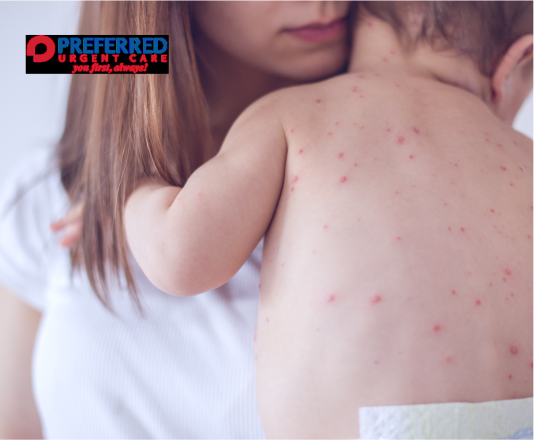
Several days after the initial symptoms begin, the classic measles rash develops.
The rash typically:
- Starts on the face or behind the ears
- Spreads downward to the neck, chest, arms, trunk, and legs
- Appears as flat red spots that may merge together
- Lasts several days before gradually fading
Many people mistakenly believe the rash is the beginning of the illness, but by this point, the individual has often been contagious for several days.
Why Measles Can Be Serious
Although many people recover completely, measles can cause significant complications.
Possible complications include:
- Ear infections
- Severe diarrhea
- Dehydration
- Pneumonia
- Brain inflammation (encephalitis)
- Hospitalization
- Pregnancy complications
- Rarely, death
Children younger than five years, adults over twenty, pregnant women, and individuals with weakened immune systems face the greatest risk of severe illness.
How Is Measles Diagnosed?
Healthcare providers diagnose measles based on symptoms, physical examination, recent travel history, vaccination status, and possible exposure to infected individuals.
Laboratory testing may include:
- Nasal or throat swabs
- Blood tests
- Viral testing performed by public health laboratories
Because measles spreads so easily, it’s important to call your healthcare provider before arriving if you suspect measles. This allows medical staff to take appropriate precautions to protect other patients.
Preferred Urgent Care provides evaluations for patients with fever, rash, and respiratory symptoms while following appropriate infection-control procedures. Learn more about our Urgent Care Services:
https://preferredurgentcare.com/urgent-care-services
How Is Measles Treated?
There is currently no specific antiviral treatment for measles.
Treatment focuses on supporting the body’s recovery and preventing complications.
Care may include:
- Plenty of fluids
- Rest
- Fever-reducing medications when appropriate
- Monitoring for complications
- Treatment of secondary bacterial infections if they occur
Patients with severe illness or complications may require hospitalization.
The Best Protection: Vaccination
The most effective way to prevent measles is through the Measles, Mumps, and Rubella (MMR) vaccine.
The CDC recommends:
- The first dose at 12–15 months of age
- A second dose at 4–6 years of age
Adults who are unsure of their vaccination status should speak with a healthcare provider to determine whether vaccination is recommended.
Vaccination not only protects individuals but also helps prevent outbreaks by reducing community transmission.
Learn more about preventive care through Preferred Urgent Care’s Vaccines & Flu Shots services:
https://preferredurgentcare.com/urgent-care-services/vaccines-flu-shots
How Can You Protect Yourself and Your Family?
In addition to staying current on vaccinations:
✔ Wash your hands frequently.
✔ Cover coughs and sneezes.
✔ Avoid close contact with individuals who are ill.
✔ Stay home when experiencing symptoms of contagious illness.
✔ Seek medical advice promptly if you believe you’ve been exposed to measles.
These simple precautions help reduce the spread of many respiratory illnesses—not just measles.
When Should You Seek Medical Care?
Seek prompt medical evaluation if you or your child develops:
- High fever
- A widespread rash
- Persistent cough
- Red, watery eyes
- Difficulty breathing
- Dehydration
- Symptoms following known exposure to measles
If severe symptoms such as difficulty breathing, confusion, seizures, or extreme lethargy occur, seek emergency medical care immediately.
How Preferred Urgent Care Can Help
Preferred Urgent Care is committed to providing timely, compassionate care for patients experiencing acute illnesses.
Our experienced providers can:
- Evaluate fever and rash illnesses
- Assess respiratory symptoms
- Recommend appropriate diagnostic testing
- Provide supportive treatment
- Help determine whether additional care or referral is needed
- Offer preventive healthcare, including vaccinations
When you’re concerned about your health, our team is here to provide trusted guidance and personalized care.
The Bottom Line
Measles remains one of the most contagious infectious diseases, but it is also one of the most preventable. Staying up to date on vaccinations, recognizing early symptoms, and seeking prompt medical evaluation when needed can help protect both your family and your community.
If you develop concerning symptoms or believe you’ve been exposed to measles, contact a healthcare provider promptly for guidance. Early evaluation can help reduce complications and limit the spread of infection.
At Preferred Urgent Care, we’re here to provide expert, compassionate care when you need it most—helping you and your loved ones stay healthy every season.