
The Hidden Dangers of Walking Barefoot This Summer
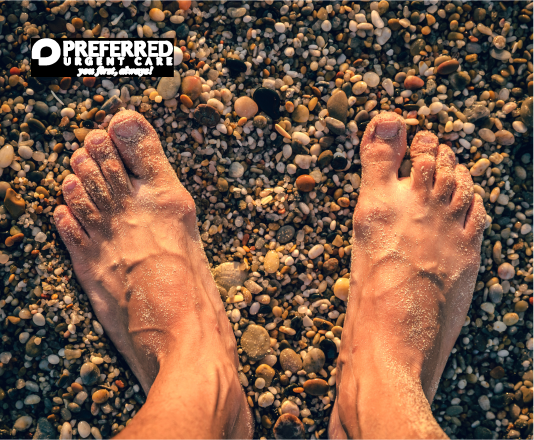
There’s something freeing about walking barefoot on warm grass, soft sand, or around the backyard during the summer. For many, it’s a seasonal tradition that feels relaxing and natural.
But while going barefoot may seem harmless, it can also expose your feet to injuries and infections that are often overlooked. From hot pavement and hidden sharp objects to bacteria, fungi, and insect bites, your feet face more hazards than you might realize.
At Preferred Urgent Care, we frequently treat summer foot injuries and skin infections that could have been prevented with a few simple precautions. Knowing the risks can help you enjoy the season while protecting your health.
Why Your Feet Are More Vulnerable Than You Think
Your feet carry you through thousands of steps every day, yet they’re constantly exposed to the environment. Unlike the rest of your body, the soles of your feet often come into direct contact with surfaces that may harbor bacteria, fungi, parasites, or dangerous debris.
Even a small cut or blister can become an entry point for infection.
People with diabetes, poor circulation, weakened immune systems, or nerve damage should be especially cautious, as minor foot injuries can develop into more serious complications if left untreated.
Common Risks of Walking Barefoot
Cuts, Scrapes & Puncture Wounds
Hidden hazards such as broken glass, nails, shells, rocks, splinters, and metal fragments can easily puncture the skin.
Even minor wounds can become infected if bacteria enter the injury.
If you experience a deep cut, puncture wound, or notice increasing redness, swelling, or drainage, prompt medical evaluation is recommended.
Burns from Hot Surfaces
Summer pavement, asphalt, pool decks, sidewalks, and even beach sand can become dangerously hot.
On sunny days, pavement temperatures can exceed 140°F (60°C)—hot enough to cause painful burns within seconds.
Children and older adults are particularly vulnerable because their skin is more delicate.
Athlete’s Foot & Fungal Infections
Warm, moist environments such as:
- Public pools
- Locker rooms
- Community showers
- Water parks
create ideal conditions for fungi that cause athlete’s foot.
Symptoms include:
- Itching
- Peeling skin
- Redness
- Burning sensation
- Cracked skin between the toes
Wearing sandals in shared wet areas can greatly reduce your risk.
Plantar Warts
Walking barefoot in public areas can also increase exposure to the human papillomavirus (HPV), which causes plantar warts.
These rough growths typically appear on the soles of the feet and may become painful when walking.
Although not dangerous, they often require medical treatment if they persist or become uncomfortable.
Bacterial Skin Infections
Small cuts, insect bites, or blisters allow bacteria to enter the skin, sometimes leading to infections such as cellulitis.
Warning signs include:
- Increasing redness
- Swelling
- Warmth around the wound
- Pus or drainage
- Fever
Early treatment can prevent the infection from spreading.
Preferred Urgent Care treats a wide range of bites, burns, stings, cuts, and skin infections, helping patients recover quickly without the long wait of an emergency room. Learn more about our Bites, Burns & Stings services:
https://preferredurgentcare.com/urgent-care-services/bites-burns-and-stings
Who Is Most at Risk?
Anyone can injure their feet, but certain groups should take extra precautions:
- Young children
- Older adults
- Individuals with diabetes
- People with poor circulation
- Athletes
- Outdoor workers
- Anyone with weakened immune systems
For these individuals, even a seemingly minor foot injury can become a significant health concern.
Tips for Protecting Your Feet This Summer
Fortunately, protecting your feet doesn’t mean giving up summer fun.
Here are a few simple precautions:
✔ Wear sandals or water shoes around pools and public showers.
✔ Avoid walking barefoot on hot pavement or sand.
✔ Inspect your feet after spending time outdoors.
✔ Wash and dry your feet thoroughly every day.
✔ Wear breathable footwear to reduce excess moisture.
✔ Cover any cuts or blisters with clean bandages.
✔ Keep your tetanus vaccination up to date, especially after puncture wounds.
These small habits can go a long way toward preventing painful injuries and infections.
When Should You Visit Urgent Care?
Many minor scrapes heal on their own, but medical care is recommended if you experience:
- Deep cuts or puncture wounds
- Burns that blister or cover a large area
- Persistent foot pain
- Swelling or redness that continues to worsen
- Drainage or signs of infection
- Difficulty walking after an injury
- A wound that isn’t healing
Prompt treatment can help prevent complications and speed your recovery.
How Preferred Urgent Care Can Help
Whether you’ve stepped on something sharp, suffered a burn from hot pavement, or developed a skin infection after a day at the pool or beach, Preferred Urgent Care is here to help.
Our providers offer:
- Walk-in care with minimal wait times
- Treatment for cuts, burns, bites, and puncture wounds
- Wound cleaning and dressing
- Infection evaluation and treatment
- Digital X-rays when needed to assess foreign objects or injuries
- Compassionate care for both adults and children
Learn more about our comprehensive Urgent Care Services:
https://preferredurgentcare.com/urgent-care-services
The Bottom Line
Going barefoot may feel like part of the summer experience, but it also increases your risk of injuries, burns, and infections that can quickly interrupt your plans.
A little prevention goes a long way. Wearing protective footwear, checking your feet regularly, and seeking prompt care for injuries can help keep you healthy and active all season long.
If you experience a foot injury or notice signs of infection, don’t wait for symptoms to worsen. Walk into Preferred Urgent Care for fast, expert treatment and get back to enjoying your summer with confidence.